When Paths Breathe with the Weather

Today, we explore Seasonal Shifts in Trailside Surface Textures—how meltwater, dust, leaf litter, and frost constantly reshape traction, drainage, and the character of every step and turn. Expect practical insight, field-tested stories, and science made friendly, so you can move safer, notice more, and help care for the places you love. Share your observations, subscribe for fresh dispatches, and join a curious community mapping the seasons underfoot and underwheel.

From Thaw to Flow: Edges in Motion

Seep Lines and Shiny Dirt

Watch for darker ribbons that glint even on cloudy days; they signal flowing microchannels that lubricate grains and reduce shear strength. Step or roll perpendicular across the narrowest point, or detour slightly higher. If you hear a faint suction pop, you are already on material that wants to hold your shoes or tires hostage.

Clay That Grows and Grabs

Smectite-rich clays swell like bread dough after snowmelt, narrowing passageways and magnifying stickiness. Tread lightly, distribute weight, and avoid aggressive braking that tears chunks from the side. Wider contact patches can float, but only if you stay relaxed and keep cadence smooth while skirting the bulging, toothpaste-soft berms forming beside the main line.

First Warm-Day Test Run

Pick a familiar hill and compare morning firmness to midday give, noting how edges slump as frost retreats. Record what your soles, lugs, or knobs tell you—sound, vibration, drag. Share your notes with local crews and friends; coordinated patience during delicate hours prevents long scars that outlast the entire season.

Heat, Dust, and Marbley Turns

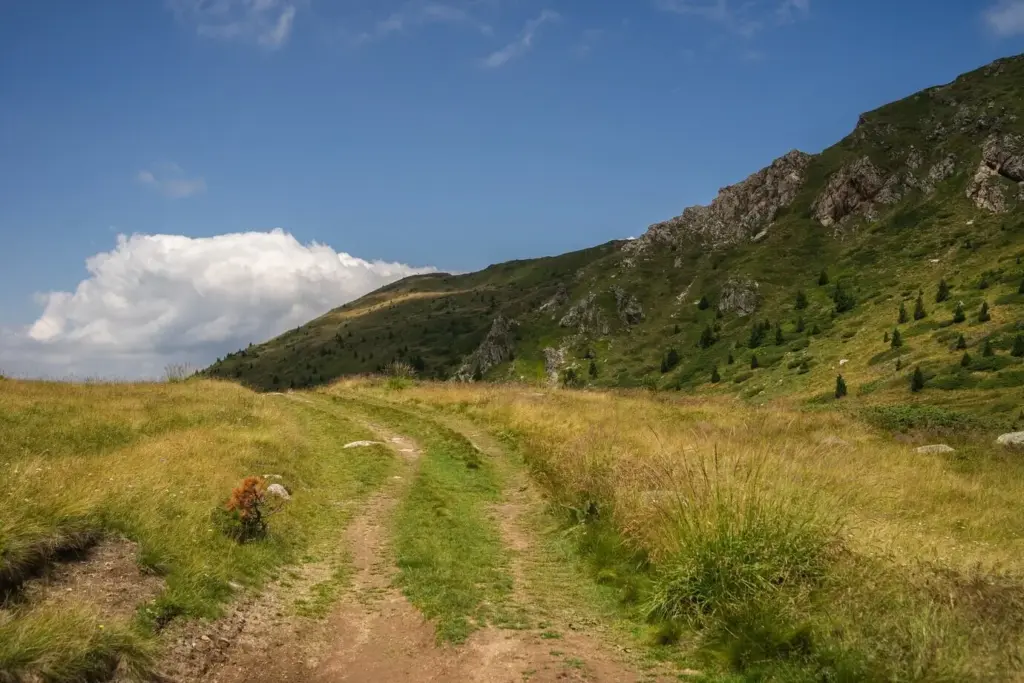
In midsummer, water hides deep while the surface breaks into talc and tiny rollers that skate underfoot. Corners lose cohesion, edges bake into crust, and every braking point becomes a negotiation. Learn when to widen arcs, feather pressure, and trust texture reading more than memory, because yesterday’s stable patch may now be floating gravel disguised as earth.

The Quiet Drop of Autumn

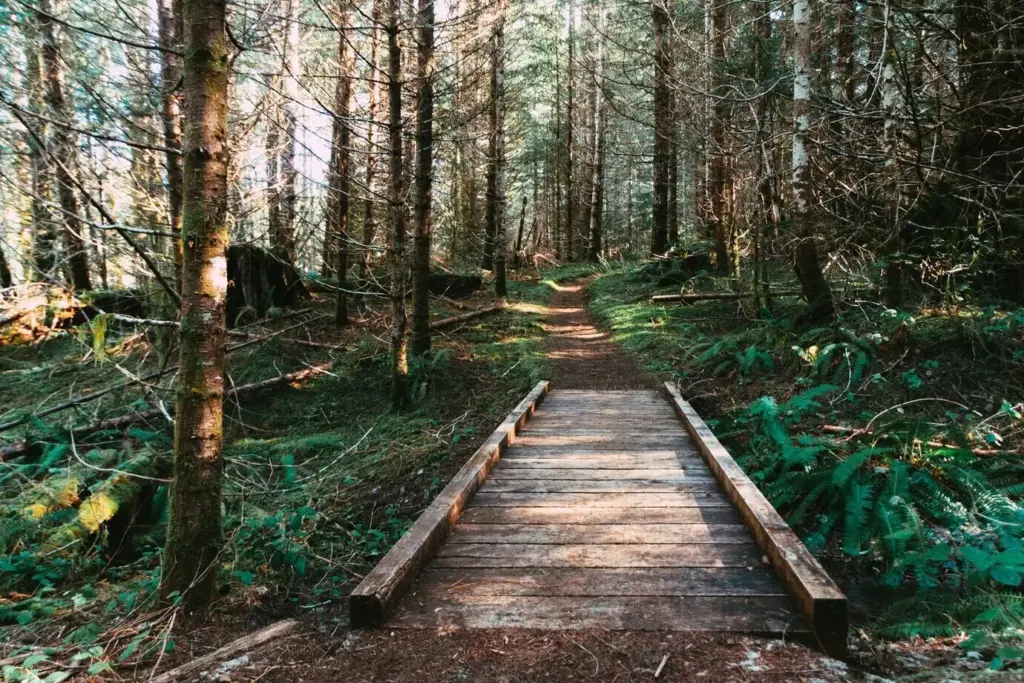
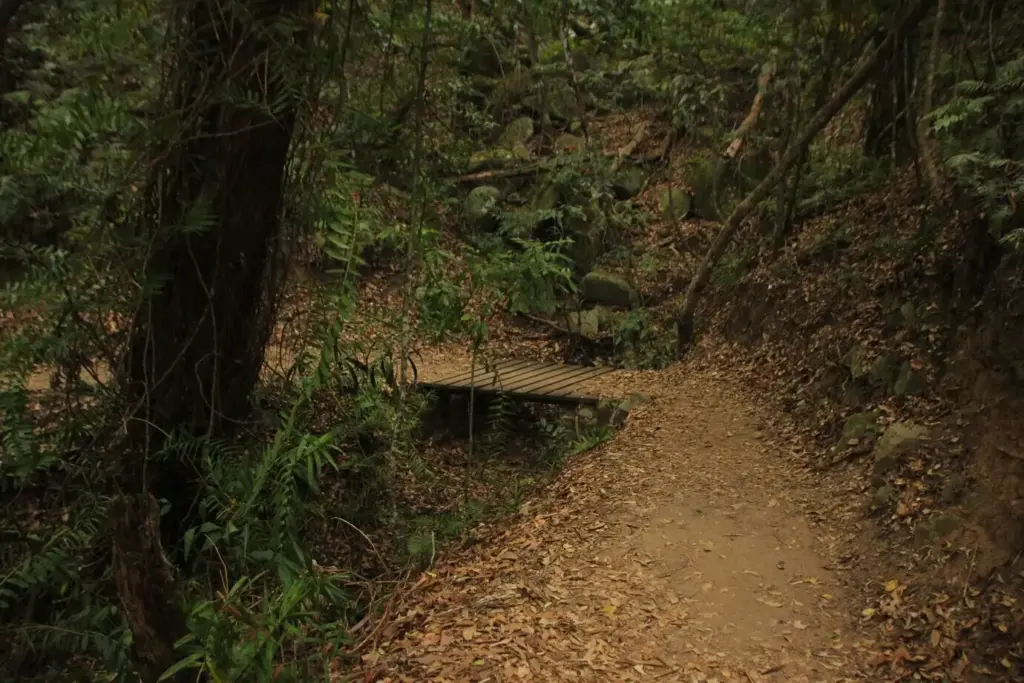
Falling leaves mute sound and sight, masking holes and slick roots while adding aromatic mats that evolve daily. Early cold rains loosen topsoil, mushrooms weave slippery films, and daylight shifts your timing. Approach bends with curiosity, test assumptions with gentle taps, and enjoy the season’s color without letting beauty distract you from hidden edges waiting to slide.

Winter’s Layered Crust

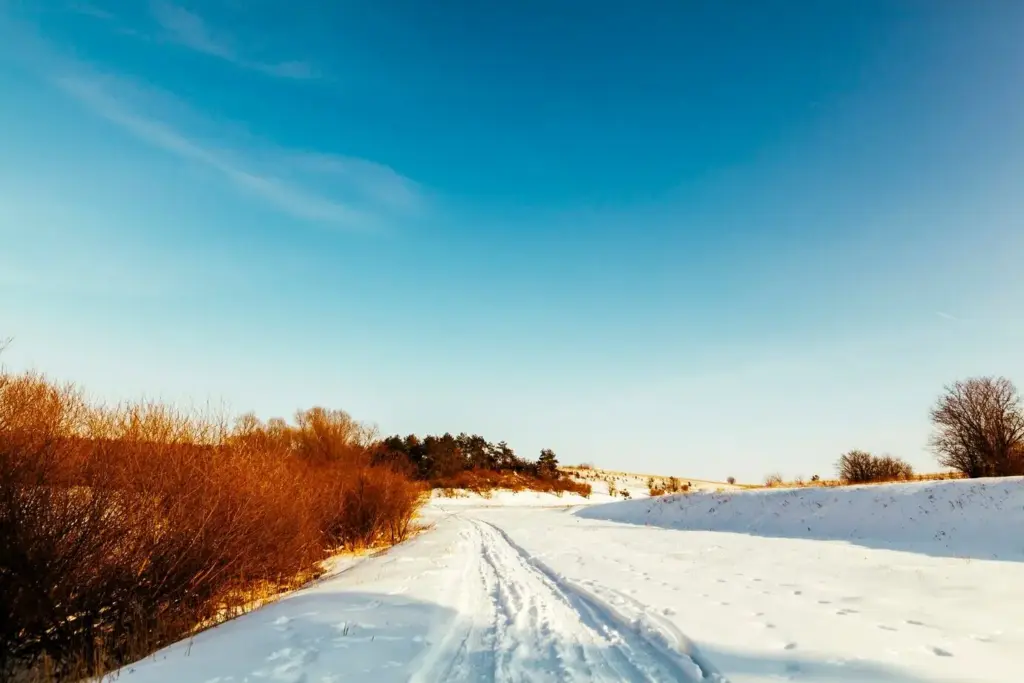
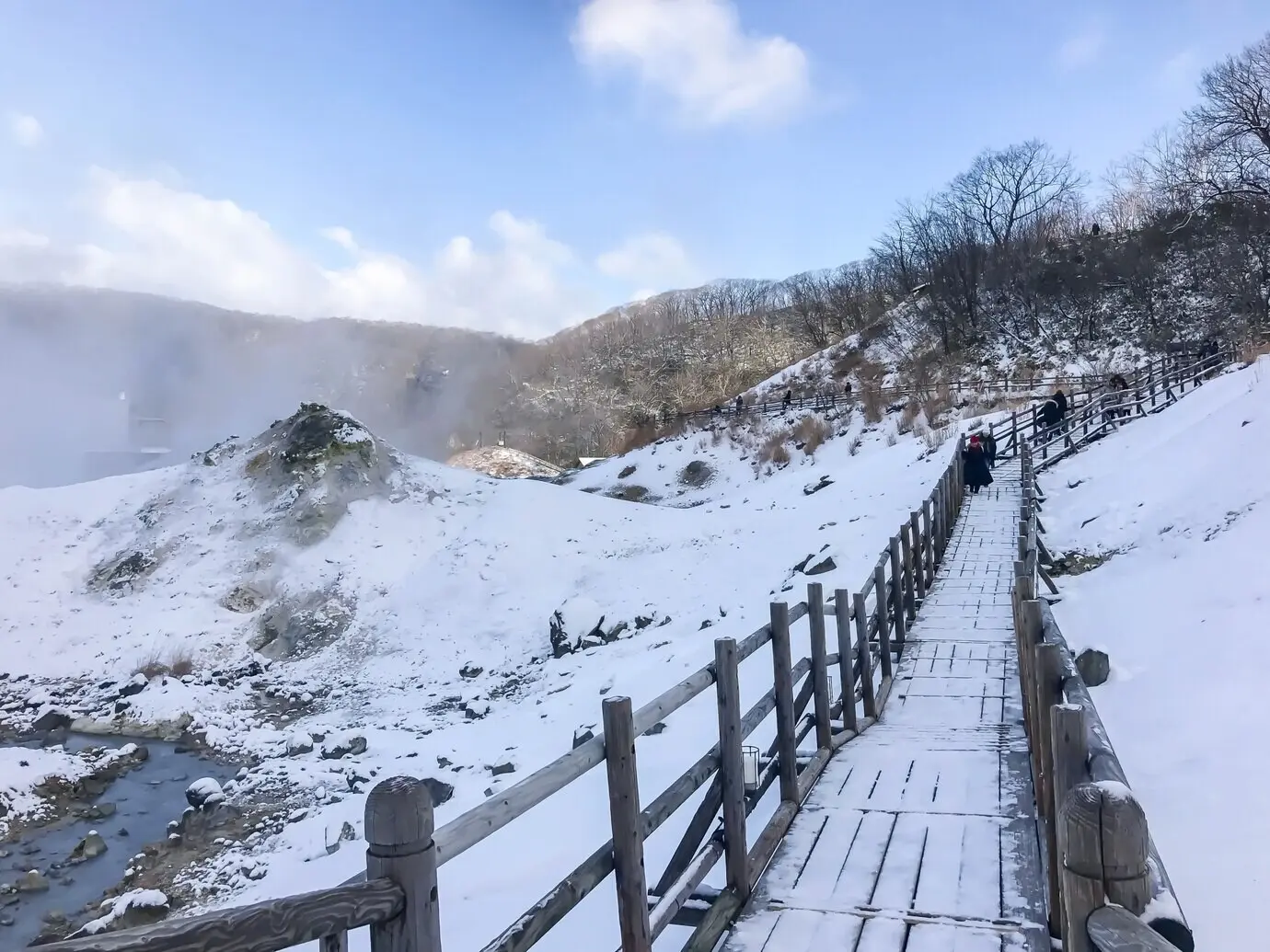
Cold creates elegant puzzles: needle ice, wind-packed slabs, and shaded glaze inches from powder. The margin between tread and forest becomes a patchwork of crunch, squeak, and silent fracture. Read sound as carefully as sight, adapt stride length, and respect freeze–thaw’s power to turn yesterday’s support into a trapdoor today.

Needle Ice and Morning Snap

Columns of ice lift soil into fragile lace that collapses under load, sending grains rolling like ball bearings. Look for raised, sparkling fuzz and tread on already-compacted paths. If you must cross, spread weight and step lightly. Return later when the sun knits crystals into damp firmness instead of brittle, treacherous sculptures hiding beneath shadowed shrubs.

Packed Tracks and Tilted Shoulders

Shared corridors compress snow into speedways, but the edges tilt toward ditches and roots. Microdrifts mask off-camber slants. Keep hips square, plant poles or hands early, and avoid braking on glaze. Prefer the textured wind-scoured side, even if irregular. If a slip starts, steer into the slide and ride it to a safe, controlled stop.

Microspikes, Studs, and Soft Steps

Traction aids help, yet technique still rules. Points must meet firm layers, not sugary fluff. Test with a gentle scuff before committing. Lower tire pressures or shorten strides to maximize contact. Clean studs regularly; clogged hardware is false confidence. Share gear combinations that truly worked, inviting others to learn from your cold-numbed experiments and cheerful mistakes.

Reading Ground Like a Map

Every edge tells a story if you learn its symbols: grain size, sheen, moisture gradient, and how vegetation leans after wind or runoff. Build habits for scanning ahead while staying present. With simple field tests and calm adjustments, you will navigate changing textures confidently, preserve trailside life, and feel more connected to the living geomorphology under you.

A Simple Texture Lexicon

Group what you see and feel into a few buckets: granular sand, cohesive clay, fibrous organics, and mixed aggregates. Add modifiers like damp, polished, crusted, or fluffy. Naming reduces panic and speeds decisions. Keep a pocket notebook or notes app, and compare your categories with friends to calibrate intuition across wildly different climates.

Light, Sound, and Quick Probes

Side lighting reveals microrelief; backlighting highlights suspended dust. Crunch, squish, and hiss each predict different grip. Tap with a stick, heel, or tire to read depth without commitment. Make it playful fieldwork, not a chore. Share short clips or annotated photos; collective observation accelerates skill more reliably than any single tip shouted from a summit.

Placement, Pressure, and Modulation

Accuracy beats force when edges are uncertain. Plant feet where texture transitions meet, not fully in either extreme. Feather braking, trust smooth cadence, and let your body float rather than fight. Practice on controlled terrain, then apply everywhere. Celebrate small wins, report puzzling spots, and invite questions; the comments often reveal smarter adjustments than solo tinkering.

Timing and Gentle Detours

Skip sensitive edges during active thaw or immediate post-storm hours, choosing firmer routes or high-lines that do not trample seedlings. Detours should be temporary and communicated, not carved into new scars. Leave cheerful notes on trail boards or digital maps so others understand the why, turning courtesy into collective protection without shaming or gatekeeping.

Little Fixes, Lasting Gains

Carry a pocket saw, folding trowel, and a handful of patience. Clearing a clogged drain or brushing back whip branches saves countless skid marks and panic steps along the shoulder. Photograph before and after, log coordinates, and report bigger issues. Maintenance is storytelling through care, and small, consistent gestures keep the ground holding together through wild swings.

Share Notes, Teach Skills

Invite newcomers to feel textures with hands, not just boots or tires. Host a seasonal walk or ride, collect sound clips of crunch, squelch, and hiss, and compare impressions. Encourage subscriptions, comments, and route reports. The conversation becomes a living atlas of conditions, empowering safer movement and kinder stewardship across every weather mood.
Nuxuzefirapomonazi
Privacy Overview

This website uses cookies so that we can provide you with the best user experience possible. Cookie information is stored in your browser and performs functions such as recognising you when you return to our website and helping our team to understand which sections of the website you find most interesting and useful.