
Trailside Texture Studies: Reading the Path with Light and Touch
Today we’re diving into Trailside Texture Studies, inviting you to slow your stride and notice bark ridges, lichen quilts, gritty soils, and weathered stones right underfoot. With practical exercises, gentle field methods, and creative prompts, you’ll learn to read surfaces by light and touch, turning ordinary walks into surprising, meaningful encounters.
Training the Eye for Relief and Pattern
Begin by teaching your gaze to skim, pause, and compare. Side lighting reveals ridges you missed at noon; squinting clarifies shape over color. I once overlooked a quartz seam for months until dusk light caught it like a whispering thread. These simple habits unlock subtle, repeatable discoveries every walk.
Macro on a Budget
Clip-on lenses for phones can reveal bark canyons, crystalline sands, and moss forests at a fraction of dedicated macro costs. Stabilize against a tree or trekking pole, exhale, and gently tap to focus. Record a scale reference—a fingertip, coin, or grid card—to keep sizes honest during later review.
Frottage Without Damage
Rubbings capture relief beautifully when done with care. Use thin, soft paper and hold it gently against the surface with your palm, not tape. Shade with the side of a graphite stick, lifting often. Avoid fragile lichens and living leaves; choose durable bark or carved posts with permissions.
Portable Lighting Tricks
A small headlamp or phone flashlight at a shallow angle exaggerates grooves, helping textures pop even on cloudy days. Shade the scene with your body, then sweep light slowly until shadows clarify structure. Try a DIY diffuser from parchment wrapped around the lamp to soften glare without losing detail.
Geology Underfoot: Stone, Soil, and Time
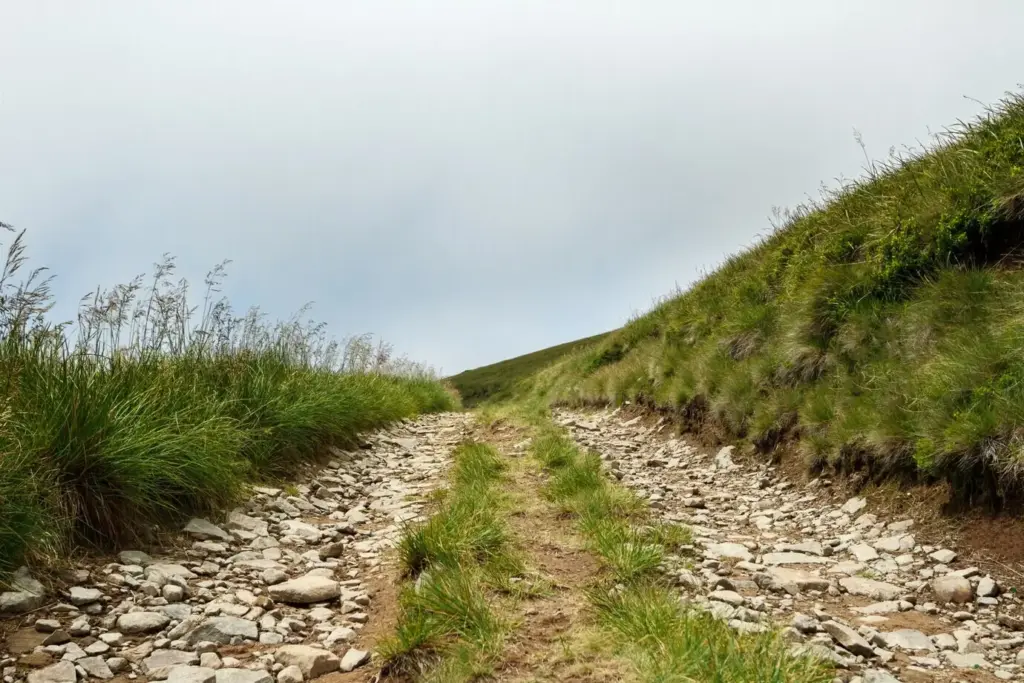
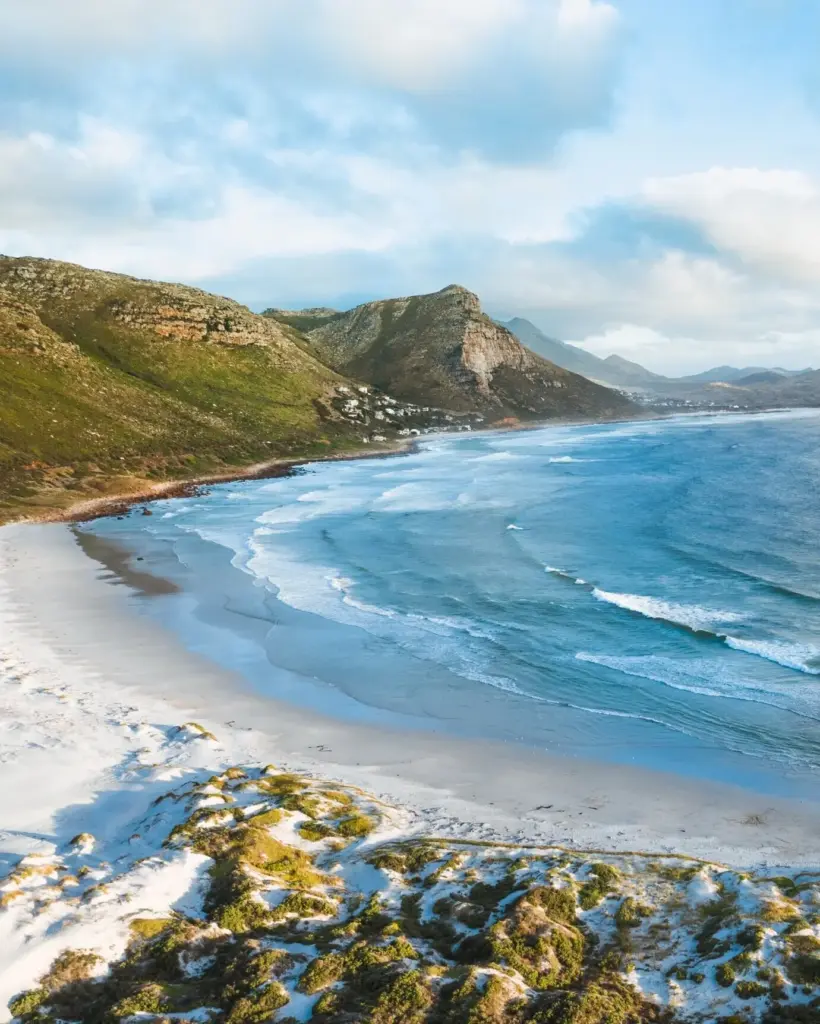
Patterns in gravel, boulders, and dust trace ancient forces. Angular shards suggest nearby breakage; rounded pebbles whisper long tumbles in streams. Sand grains show quartz sparkle, feldspar milkiness, magnetite darkness. Soil horizons band like cake slices. Learning these cues turns every step into a conversation with deep time.

Botanical Surfaces: Bark, Leaves, and Moss
Plants build architectures of defense and exchange that feel different under your fingers. Furrowed bark channels rain; smooth bark sheds pests; peeling bark reveals growth rhythms. Leaves speak through veins and hairs. Cushioned mosses cradle dew. Learning these textures fosters empathy, sharper identification, and more respectful, gentle encounters outdoors.
Light, Weather, and Season
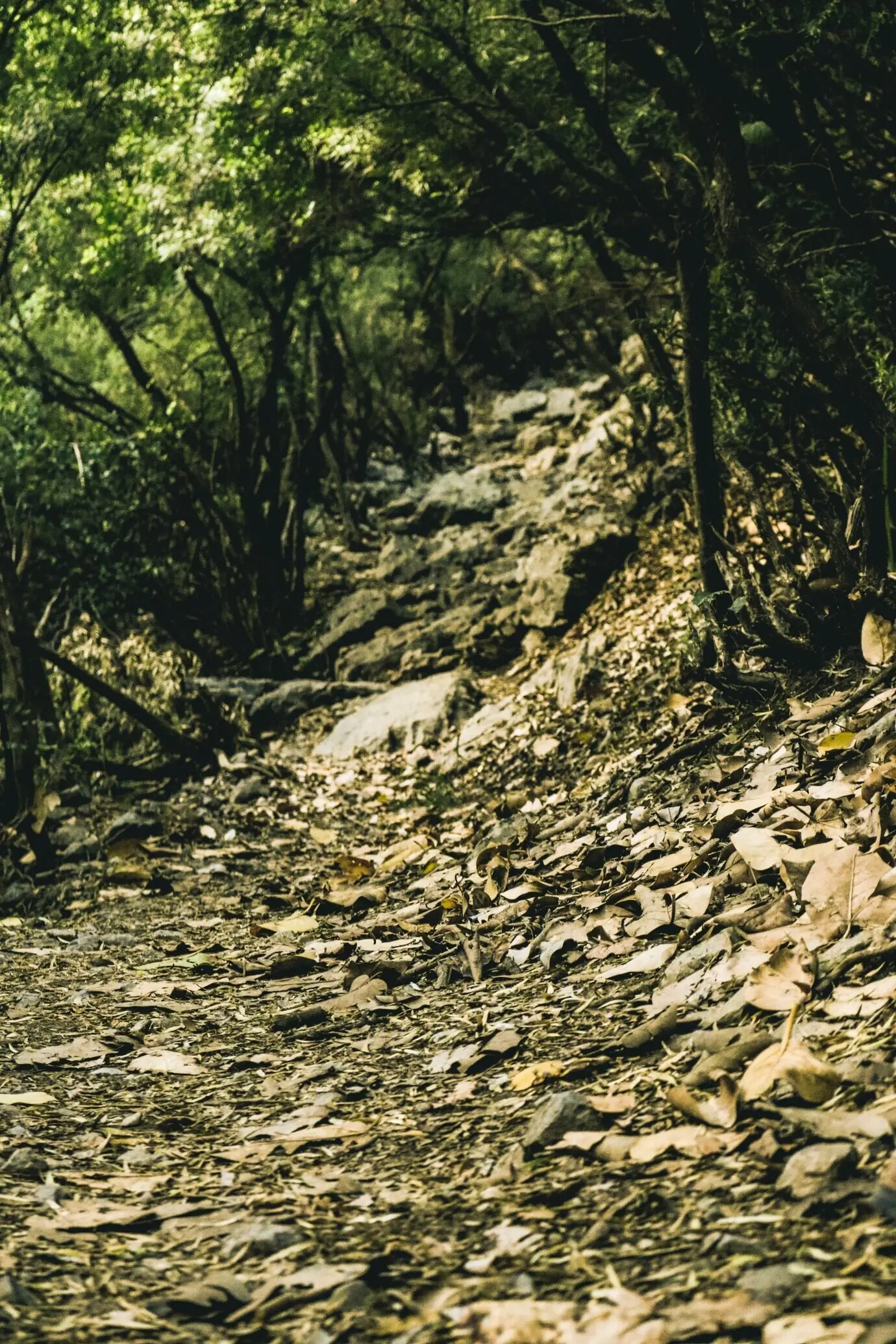
Texture is a moving target shaped by clouds, sun, frost, and dust. Midday flattens; dawn carves; rain polishes; snow muffles. Wind combs grasses into lines; frost etches lace on posts. Planning visits across conditions multiplies insights, and makes micro-changes thrilling rather than frustrating when photos differ from memory.
Dawn Dew Experiments
At first light, beads of dew exaggerate leaf hairs, spider silk, and gritty dust, creating tiny lenses that sparkle under shallow angles. Photograph with a polarizer rotated to taste, then sketch what the filter removed. Comparing versions trains your eye to predict how moisture will change texture visibility.
Winter Rime and Frost
Freezing fog lays delicate needles on fences and seed heads, translating invisible air currents into visible arrows. Touch only with eyes; warmth erases patterns instantly. Try drawing a quick contour before the sun breaks through. Noting timing and temperature creates a seasonal index for future early-morning explorations.
After-Rain Micro-Gloss
Minutes after rainfall, tiny films of water smooth roughness, deepen color, and introduce specular highlights that can either distract or reveal. Experiment by tilting your camera or sketchbook to catch glints at different angles. Share side-by-side results with readers, inviting them to compare and comment on perceived depth.
From Notes to Creative Work
Field observations become powerful when they flow into making. Translate grooves into stitched lines, gravel spreads into printmaking textures, or bark rhythms into ceramic glazing tests. Build small, finishable projects that honor sources and credit places. Sharing process invites dialogue, accountability, and fresh perspectives from walkers, artists, and scientists.
Sketchbooks That Invite Return
Design pages with consistent prompts: date, location, light angle, material, three adjectives, and one metaphor. Leave space for a rubbing or photo stub. When entries feel approachable, you’ll keep adding. Later, the recurring structure turns into a searchable archive that sparks new projects and collaborations across disciplines.
Translating Grains into Stitch and Weave
Choose one texture from your notes and reduce it to a repeatable motif using dots, lines, and spaces. Test it in backstitch or basket weave, adjusting tension to mimic roughness or flow. Sharing swatches with peers online brings critique, encouragement, and ideas for scaling into garments or installations.
Building a Reusable Texture Library
Name folders by location and substrate—ridge trail bark, creek gravel, meadow soil—then store photos, notes, and rubbings together. Add tags for scale, light, and moisture. Version files when editing. Publishing a curated set helps others learn, while inviting them to contribute responsibly and credit landscapes that shaped the work.
Care, Consent, and Low-Impact Practice
Curiosity flourishes when paired with respect. Avoid scraping, prying, or removing living material. Ask permission on private land and follow park guidelines. Clean soles and tools to limit spreading spores or seeds. Model gentleness for companions and kids, showing that attention can be deep without leaving scars behind.
Prioritize photographs, drawings, and rubbings on durable surfaces instead of collecting. If sampling is essential for a project, consult local rules and use minimal quantities with clear labeling. Encourage students or friends to echo this approach, emphasizing how knowledge grows richer when ecosystems remain intact and thriving for everyone.
When posting images, include location ranges rather than precise coordinates, and credit Indigenous lands when appropriate. Mention conditions, tools, and any support received. This habit teaches context, protects sensitive habitats, and invites conversation grounded in gratitude rather than extraction, building trust across communities of hikers, artists, and scientists.
Textures can be explored through multiple senses. Offer audio descriptions, raised-line drawings, or portable swatches to companions who benefit from tactile approaches. Choose routes with smooth grades and rest spots. Inviting messages and inclusive planning expand who participates, enriching observations and conversations, and keeping outdoor spaces welcoming for all.
Share, Subscribe, and Walk With Us
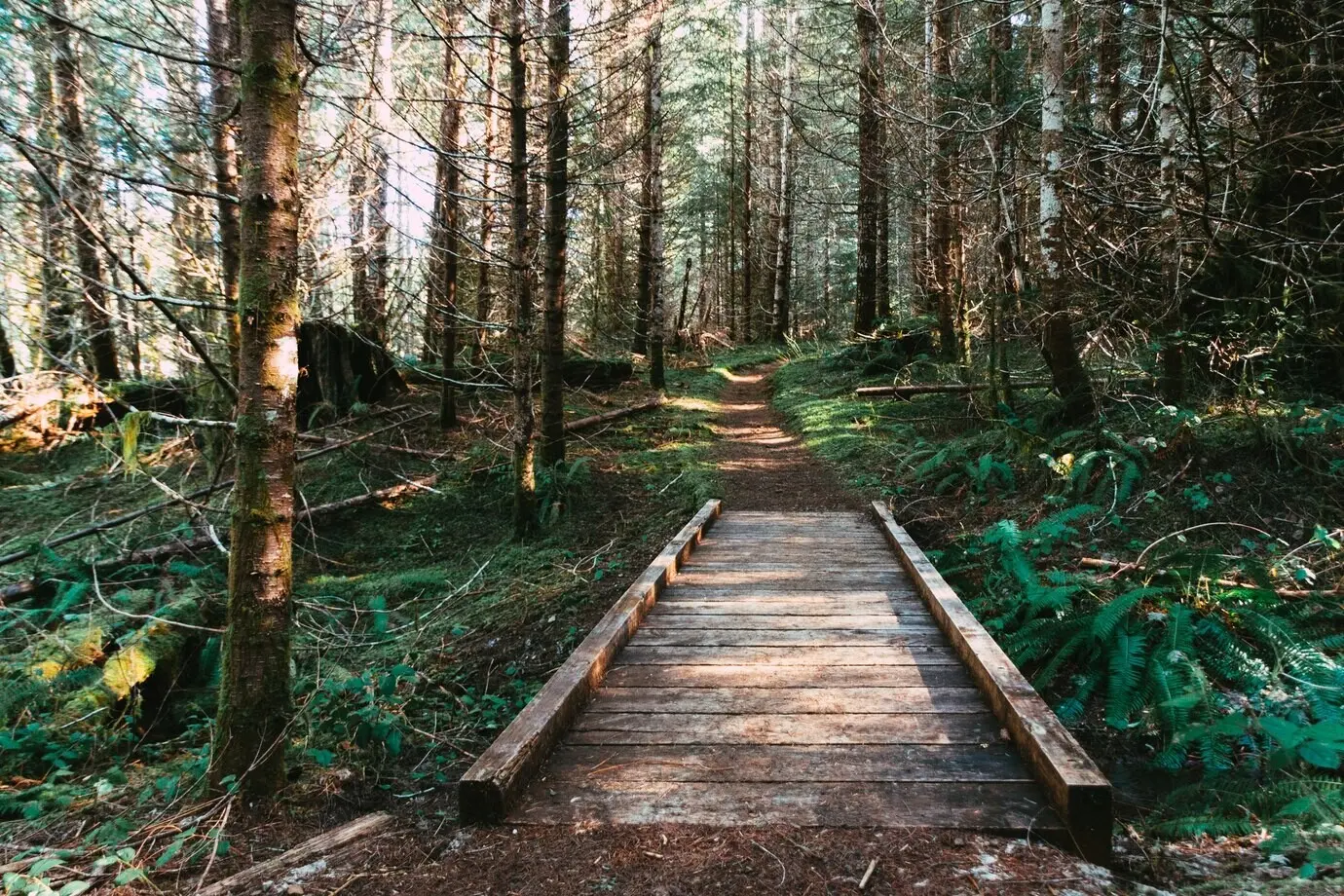
Your observations energize this project. Share a favorite surface from your nearest path and describe it in five verbs. Subscribe for weekly prompts and gentle field assignments. We’ll feature reader stories, compare methods, and build a participatory atlas of textures that grows with every comment, photo, sketch, and question.
Weekly Field Prompt
This week, spend ten minutes beside a single square meter of ground. List everything you can touch or see without moving your feet, then choose one detail to photograph, draw, or describe richly. Post your result and tag a friend to join, multiplying perspectives from different paths and climates.
Comment Circle
Scroll the replies and leave two thoughtful notes for fellow walkers. Ask a question, offer a kind comparison, or share a parallel observation from your region. Generous attention keeps the circle vibrant, and often sparks collaborations, meetups, or small zines celebrating the variety living quietly along our trails.
Open Workshop Invitation
Once a month we host a live, low-pressure session where we compare methods, test lighting tricks, and trade stories. Bring a hand lens, paper, and curiosity. Sign up to receive the link, then replay later if time zones clash, and add follow-up reflections right in the comment thread.
All Rights Reserved.