
Footprints of Touch: A Journey Along Textured Trails
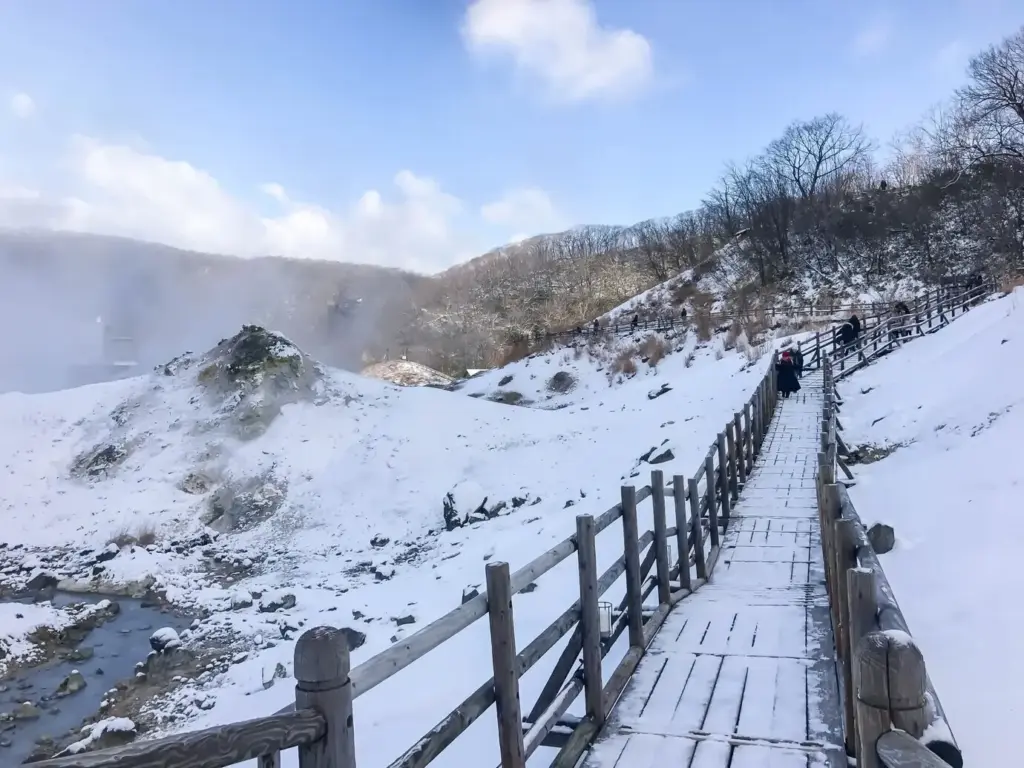
Preparing People and Paths for Hands-On Discovery

Capturing Texture with Everyday Tech and Simple Rituals
Photo standards that make data comparable
Hold the camera parallel to the surface, fill two‑thirds of the frame with the texture, and include the scale card’s corner. Take one oblique shot to show edge transitions and one wider scene for location memory. Lock focus, avoid harsh flash, and note any shadows. Snap a quick duplicate if wind or movement blurs details. By following a short, repeatable checklist, contributors reduce noise across devices, lighting, and skill levels, enabling confident comparisons between different trails, weeks, and weather conditions.
Sound, touch, and words: multimodal notes
Textures invite more than sight. Record a ten‑second audio note describing tactile feel—grain, moisture, stickiness—and any faint sound like crunch or rustle underfoot. Add brief written descriptors using shared keywords for later filtering. If appropriate, describe gloved touch impressions without pressing or scraping. Multimodal notes capture nuance photos miss, helping analysts interpret ambiguous patterns, such as slick clay over pebbled base or flaking paint on rough steel. Diverse inputs strengthen future training datasets and improve community understanding.
Build a living lexicon together
Consensus labeling with gentle guardrails
Embracing hybrids and edge cases

Reliable Maps from Unruly Places
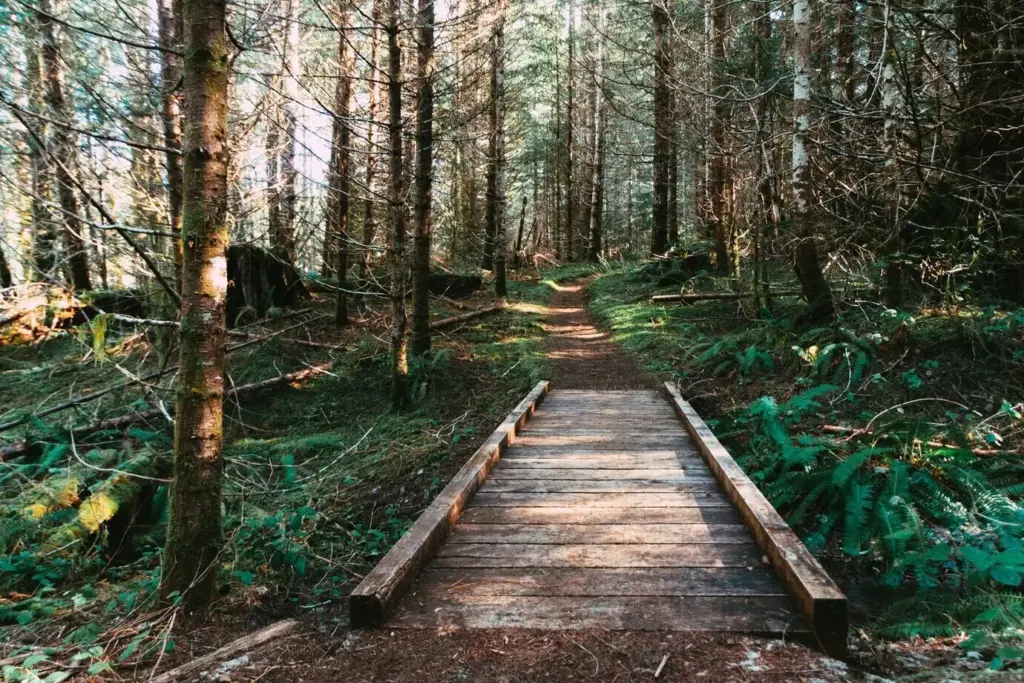
A small story of curiosity changing a route
On a rainy weekend, a family noticed a slick clay section where stroller wheels fishtailed. They recorded photos, a brief audio note, and a simple traction rating. Weeks later, after community review, the park added a gravel cap and drainage grooves. The family returned, repeated the observations, and celebrated the difference. This gentle cycle—notice, share, learn, improve—captures why mapping textures is not abstraction. It is neighborly care, grounded in lived experience and tangible, safer steps.
Designing participation for many kinds of bodies
Plan gentle routes, frequent rests, and clear meeting points. Offer tactile scale cards with raised lines, big‑print instructions, and voice‑controlled capture options. Encourage buddy systems that pair note‑taking with observation leadership. Respect pace variations and energy limits, shaping sessions that end with celebration rather than exhaustion. When participation welcomes mobility aids and different sensory styles, data becomes more inclusive and insightful. Diversity in contributors reveals diversity in textures, enriching maps that guide planning, signage, and shared delight.
Turning observations into safer, richer trails
Share findings with maintenance crews, disability advocates, and local councils through concise briefs and annotated maps. Highlight quick wins—patch a slippery corner, trim roots nudging boards, add a handrail at a steep turn—alongside longer plans like resurfacing. Invite follow‑up walks to confirm improvements and catch unintended consequences. Measure change with before‑and‑after observations so investments remain transparent and accountable. When community knowledge flows into action, trust grows, and trails become welcoming classrooms for touch, balance, and belonging.
From Dots to Decisions and Shared Wonder
All Rights Reserved.