
Rethinking Trails: The Hidden Patterns Along the Edge
Today we dive into how trail maintenance practices alter edge texture complexity, revealing how mowing heights, brushing patterns, grading passes, and chemical treatments reshape the fine, jagged boundary where tread meets vegetation, influencing ecological function, visitor perception, and long-term stewardship decisions.
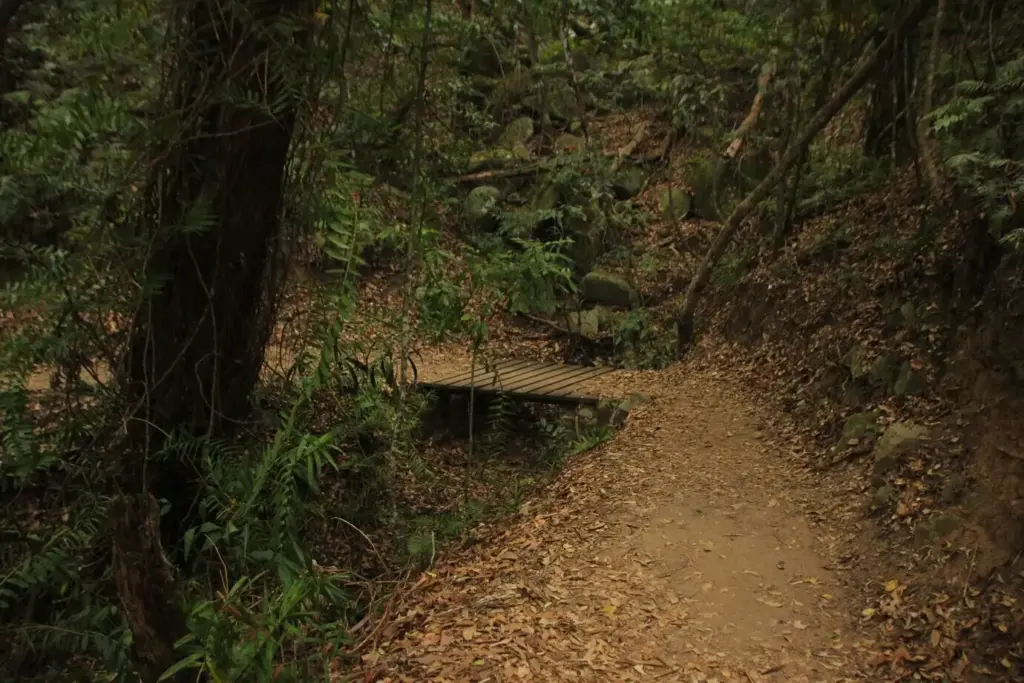
Field Clues After the Crew Leaves
Freshly cut corridors look tidy, yet the edge tells a richer story. Blade width, pass frequency, and how crews handle saplings or brambles can either smooth a once-ragged interface or diversify it with patches and scallops, altering wind flow, seed catch, and the tiny microrefugia that harbor insects, seedlings, and fungi essential for recovery after heavy foot traffic.

Ecological Ripples of Texture Change
When the boundary turns smooth, heat and light penetrate deeper, drying soils and narrowing safe passage for moisture-loving species. When it turns jagged, eddies form, dew lingers, and a mosaic appears, welcoming diverse pollinators, ground-nesters, and shy mammals that rely on patterned refuge during busy visitation peaks.
Microclimate Shifts
A one-hour difference in shade persistence can change seedling survival trajectories. Irregular edges baffle wind, reduce convective drying, and concentrate leaf litter, creating cooler, moister microsites. Straight edges speed up boundary-layer exchange, desiccate mosses, and push fungi deeper, erasing delicate gradients that once buffered daily extremes.
Pollinators and Foraging Corridors
Patchy margins bloom at staggered times, providing nectar continuity that wide mowing often interrupts. Taller clumps serve as windbreaks guiding flight paths, while short swards open sun pockets for thermoregulation. That interplay lets solitary bees, hoverflies, and butterflies move confidently between resources without exhausting detours along barren stretches.
Small Mammal Movement and Predation Risk
In open, uniform edges, small mammals hesitate, exposed to raptors and foxes. Textured edges stitch together tiny runways under herbaceous arches, allowing dart-and-hide movement and faster foraging. Over seasons, these pathways connect burrows, seed caches, and safe nests, boosting survival and distributing seeds along soft micro-corridors.
Quick Visual Protocols for Volunteers
Pick ten edge points, photograph them from knee height before and after work, and annotate where stems, grasses, and bare soil meet. Counting corners, scallops, and interruptions builds a shared language so teams can compare results, celebrate nuance, and avoid unintentionally shaving the edge into uniformity.
Smartphone Photogrammetry and LiDAR
Modern phones capture dense point clouds and stitched images. Walking a slow, steady arc along the border produces measurable profiles showing voids, protrusions, and height variance. Repeating the scan after mowing or brushing quantifies how interventions simplified or diversified the contour, supporting data-informed adjustments without slowing trail reopening.
GIS Change Detection After Maintenance Cycles
Map yearly crews’ paths, cut widths, and surface work. Overlay that with aerial imagery or high-resolution drone mosaics to trace evolving jaggedness at the margin. Trends reveal where smoothing correlates with erosion or invasives, prompting place-specific prescriptions that protect access while restoring complexity that ecosystems quietly require.
Measuring Complexity Without Lab Coats
Measuring the boundary’s intricacy needn’t require expensive instruments. Simple repeat photos, fixed transects, and free software can reveal fractal-like patterns, gap frequencies, and contrast changes after each maintenance cycle, turning stewardship days into living experiments that empower crews and volunteers to see, test, and refine their craft together.
Water, Soil, and the Edge’s Long Memory
Edges moderate water and force. When maintenance straightens them, runoff accelerates and scours the outer inches of tread; when edges meander, small eddies drop sediment and moisture, rebuilding structure. Choosing drainage features that cooperate with micro-texture prevents chronic repairs while preserving the living, breathable boundary that trails depend upon.
Designing for Experience and Resilience
Narrowing Without Excluding
Gentle pinches created with staggered shrubs and boulders reduce shortcutting and braid formation while preserving accessibility. The resulting edge complexity communicates care, slows wheels just enough, and frames views, allowing everyone to pass comfortably without erasing the living character that makes the place memorable.
Staggered Cut Heights and Patchy Structure
Alternating mower heights and leaving islands of stems produce soft undulations that absorb sound and guide footfall subtly. These patterns also create microsites for flowering species, extending bloom windows and visual interest, while distributing wear so edges heal quickly after festivals or unusually wet weekends.
Signage, Education, and Stewardship Days
Inviting visitors to notice the edge transforms casual walks into caring observation. Trailhead panels explaining why texture matters encourage respectful choices, while monthly volunteer days let people test techniques, share photos, and subscribe for updates, strengthening community memory about what truly works on this landscape.
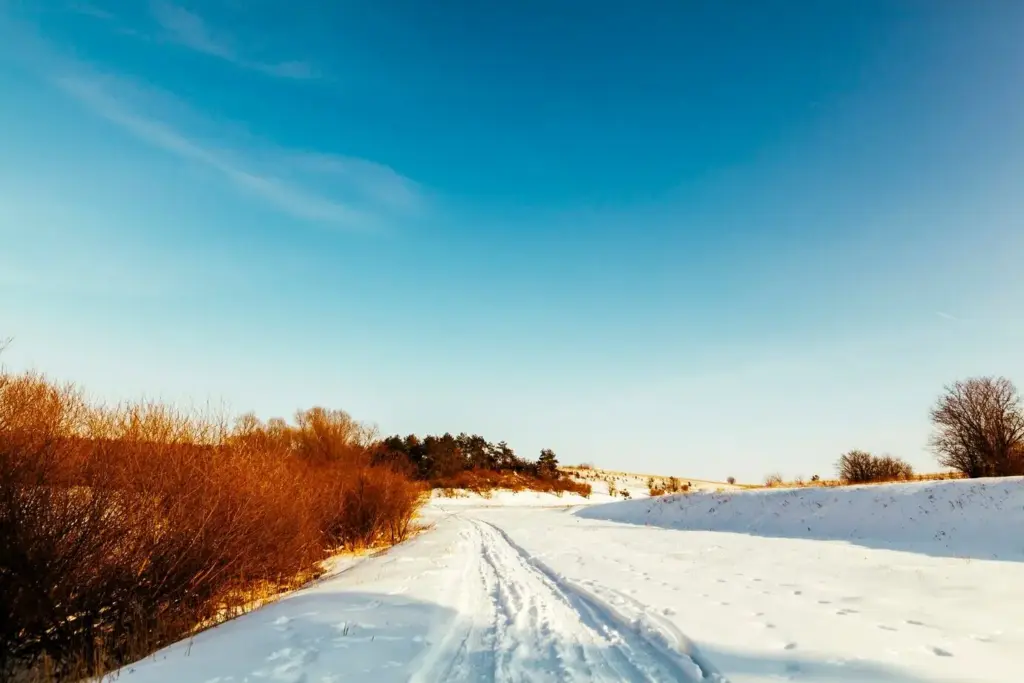
Stories from Real Trails
From cities to coastlines, maintenance choices leave signatures readable years later. Comparing places reveals how small adjustments accumulate into character. These accounts offer practical detail and candid lessons, inviting your reflections in the comments and your images in our next field roundup for subscribers and curious first-timers alike.
All Rights Reserved.