Reading the Ground: Micro‑Terrain Revealed in 3D
Step off the path and look closer with us as we explore 3D Scanning and Photogrammetry of Trailside Micro‑Relief, capturing millimeter‑scale textures shaped by boots, rain, roots, frost, and tires. We’ll translate subtle ridges, rills, and compressed soils into measurable, navigable models, turning fleeting field impressions into durable evidence. Expect practical workflow tips, interpretive insights, and real stories from muddy mornings and late‑light surveys, plus invitations to share your methods, questions, and results with a community that loves data as much as it loves trails.

Tiny Landforms, Big Insights beside the Path

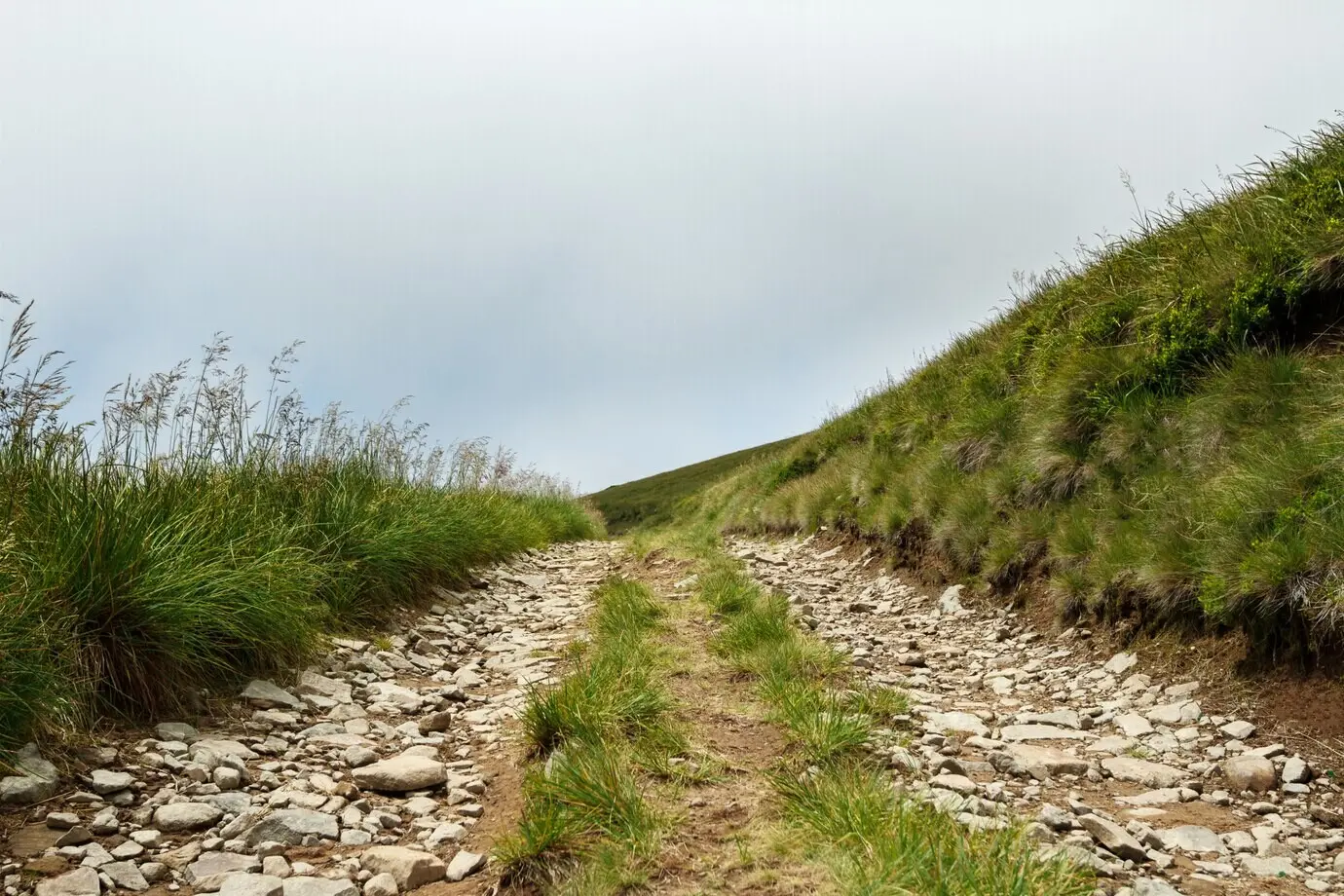
Those shallow depressions, bead‑like gravel clusters, and hairline cracks beside a trail reveal how water concentrates, how people move, and how habitats form or fail at the smallest scale. When recorded with care, these micro‑forms tell stories of traction, drainage, compaction, and recovery that aggregate into better stewardship. We use close‑range imaging to convert intuition into evidence, showing where a single misplaced drain can multiply damage, or where a few centimeters of brush protect seedlings. Bring curiosity, patience, and a willingness to kneel.

Erosion fingerprints you can finally measure

Micro‑rills, armored gravel fronts, and splash pedestals record each storm like lines in a diary. Photogrammetry resolves their depth and spacing, letting you compare events, slopes, and soils without guessing. After one cloudburst, a model revealed a sudden knickpoint forming behind a root flap, explaining sediment pulses downstream. Repeat models showed it migrating only eight centimeters over two weeks. Numbers like that shape repairs and persuade skeptics better than dramatic photos ever could.

Microhabitats for seeds, moss, and invertebrates

A single footprint can create sheltered hollows where seeds germinate, while crusts and lichens stabilize grains a few millimeters away. By mapping micro‑relief, we see which textures retain moisture and which bake dry by noon. One early spring scan captured faint snail trails weaving between dew‑beaded granules, a reminder that texture is habitat. Overlaying species notes onto dense meshes helps volunteers recognize delicate niches, adjusting maintenance timing to avoid crushing emerging life during critical hours after rain.

Light like a softbox from the sky

Overcast mornings are priceless; they flatten harsh highlights while keeping gentle micro‑shadows that cue relief. If the sun appears, we create shade with a diffuser rather than accept blown highlights that erase grains. After rain, reflections explode, so a slim polarizer and careful angles tame glare without darkening corners. We avoid head‑lamp hotspots at night by spreading light with fabric. Consistency matters more than drama; the best models often look visually boring on location and astonishing back at the workstation.

Anchors, scales, and check points at ground level

Tiny fields of view magnify error. We place small coded targets and two or three miniature scale bars across the patch, then reserve a few discreet markers as independent check points. This separates calibration from validation, keeping honesty in our residuals. We log bar temperatures, because aluminum contracts in cold shade. If allowed, a GNSS fix marks the patch center; otherwise, we reference a nearby immovable stump. With accurate, redundant anchors, dense clouds land where reality says they belong.

Stability and spacing that tame parallax

A low tripod, remote trigger, and mirror lock minimize shake when shooting close. We crawl the camera along steady arcs, maintaining large overlap and small viewpoint changes so algorithms track textures confidently. On sand or duff, a ground board stops sinking feet from shifting geometry between shots. We pre‑plan a cross‑grid with short steps, then add oblique passes to capture sidewalls. When breezes flick grass blades into frame, we clip motion with higher shutter speeds and patient timing.

Optics, Sensors, and Capture Settings
Clarity begins with glass and careful exposure. Macro lenses or extension tubes let textures fill pixels, while sensible apertures balance diffraction against depth. RAW files preserve subtle tonal gradients critical for meshing. We lock white balance, avoid auto exposure jumps, and keep ISO low to protect fine noise from masquerading as relief. A compact color target ensures faithful materials for analysis and public trust. Every control supports one promise: the mesh represents ground, not camera quirks or wishful thinking.

Macro photogrammetry when budgets are lean

With a used mirrorless body, a macro lens or extension tubes, a few paper targets, and careful technique, you can achieve astonishing detail. Texture‑rich soils and gravel respond beautifully, and even leaf litter cooperates when wind rests. Processing may take longer, but the learning curve teaches fieldcraft transferable to any scanner. We started this way, proving value to partners with vivid models before purchasing specialized hardware. If you can keep your lens steady and your overlap generous, results reward patience.

Structured‑light scanners for sub‑millimeter edges
When you need crisp root fringes or accurate kerf angles in compacted tread, structured‑light shines. Its projected patterns resist low‑texture failure, and calibrated rigs deliver reliable scale. The tradeoff is logistics: shade control, power, and sometimes delicate tripods. Reflective wet grains may confuse sensors, so gentle drying or absorbent blotting helps if permitted. We reserve these units for small, critical patches, often complementing them with photogrammetry around the perimeter to contextualize measurements for managers and curious volunteers.

LiDAR’s strengths and limits at centimeter scales

Lightweight LiDAR profiles broader segments quickly and does not fear uniform textures, but beam spacing and footprint sizes make millimeter ridges vanish. We deploy it to connect micro patches into continuous corridors or to anchor multiple photogrammetry tiles. Beware vegetation jitter and multipath near metal footbridges. When expectations are realistic, LiDAR offers invaluable structure, especially for longitudinal grades and drainage planning. It’s not the microscope; it’s the map that keeps the microscope honest and properly placed.

From Images to Models: Processing and Quality Assurance
Great capture can still falter without disciplined processing. We structure projects with clear naming, keep raw sets immutable, and document every parameter. Alignment benefits from masked edges and consistent keypoint limits. Dense reconstruction settings trade time for fidelity, and meshing choices affect edge sharpness. We validate scale and orientation with independent check points, summarizing residuals transparently. If results disappoint, we diagnose methodically, rerun with tweaks, and record lessons so next weekend’s survey starts wiser and finishes faster.

Derivatives that make patterns obvious

Multi‑directional hillshade uncovers rills hidden in single‑source light. Slope and planform curvature map where water speeds up or slows down, predicting scour and deposition. Roughness indices isolate trampling scars from naturally armored surfaces. We pair these with orthomosaics for context and short callouts that highlight critical transitions. By simplifying outputs into clear visual stories, we help decision‑makers act quickly while preserving access to underlying metrics for those who need deeper, reproducible evidence behind every color ramp.

Quantifying change with confidence

DEM of Difference and point‑to‑mesh distances—like M3C2—translate intuition into measurable gain or loss. We register repeat surveys with robust constraints, then propagate uncertainty so maps display significance, not just magnitude. After a drainage tweak, one site showed measurable aggradation in previously scoured micro‑pockets, validating a modest intervention. Another revealed hidden undercutting beside a log step. Publishing not only results but also thresholds and confidence builds credibility, preventing overclaiming while still celebrating genuinely positive, documented improvements.

Communicating results to hikers and managers

Beautiful doesn’t mean confusing. We use simple legends, clear annotations, and viewer links that work on phones in the parking lot. Captions explain why a tiny ridge matters for seedlings or runoff, inviting stewardship rather than blame. For accessibility, we add alt text and keyboard navigation notes. We encourage subscribers to share comparable patches, submit questions, and vote on upcoming field trials. Engagement keeps techniques grounded, ensuring the next survey answers real worries voiced on last weekend’s walk.

Nuxuzefirapomonazi
Privacy Overview

This website uses cookies so that we can provide you with the best user experience possible. Cookie information is stored in your browser and performs functions such as recognising you when you return to our website and helping our team to understand which sections of the website you find most interesting and useful.