
Tracing Textures Beneath Your Boots
Set out with us to explore a cross‑biome comparison of rock, bark, and soil textures along hiking routes, paying attention to what your fingertips, soles, and eyes discover at trail pace. We will notice how climate, geology, and living communities sculpt surfaces, learn simple field methods for consistent notes, and trade stories that make each path unforgettable. Bring curiosity, a phone camera, and patience; your senses will become instruments, and ordinary steps will turn into a survey of patterns, processes, and place.
First Contact on the Trail
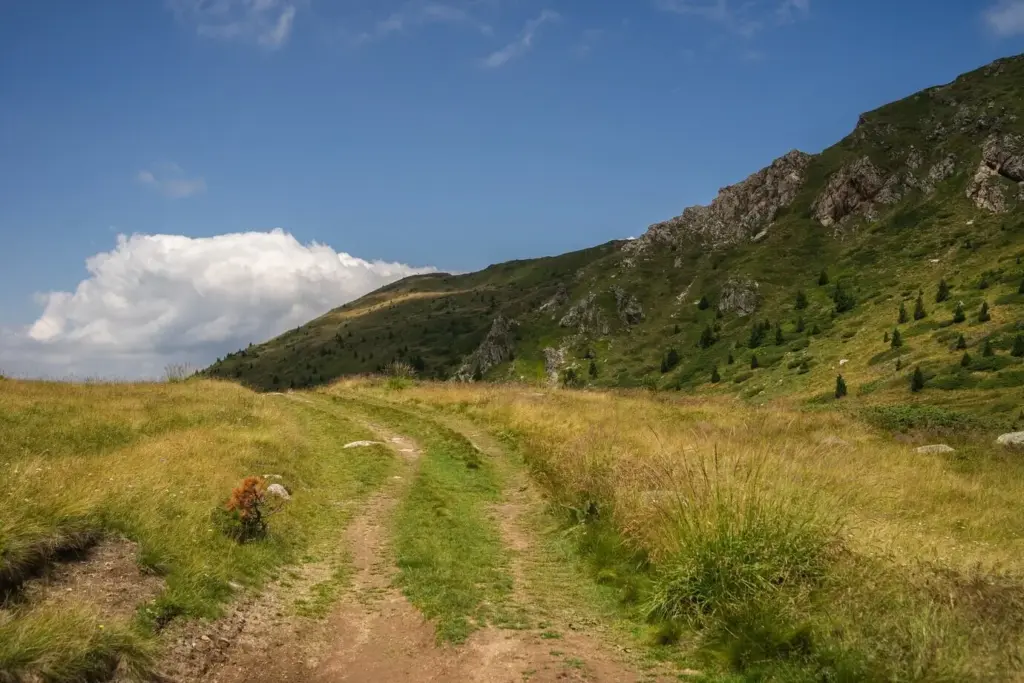
Every hike begins with a touch: the scrape of stone beneath tread, the drag of ridged bark under a palm, the give of soil recording weight and weather. Paying attention to these textures offers an immediate map of forces shaping each landscape, from freeze‑thaw shattering mountain slabs to salt‑spray softening coastal cliffs. As you move, compare impressions rather than trophies, noticing how subtle friction, moisture, and softness guide footing and mood. This sensory practice anchors memories more deeply than any overlook ever could.
Stone Underfoot, Stories in Fractures
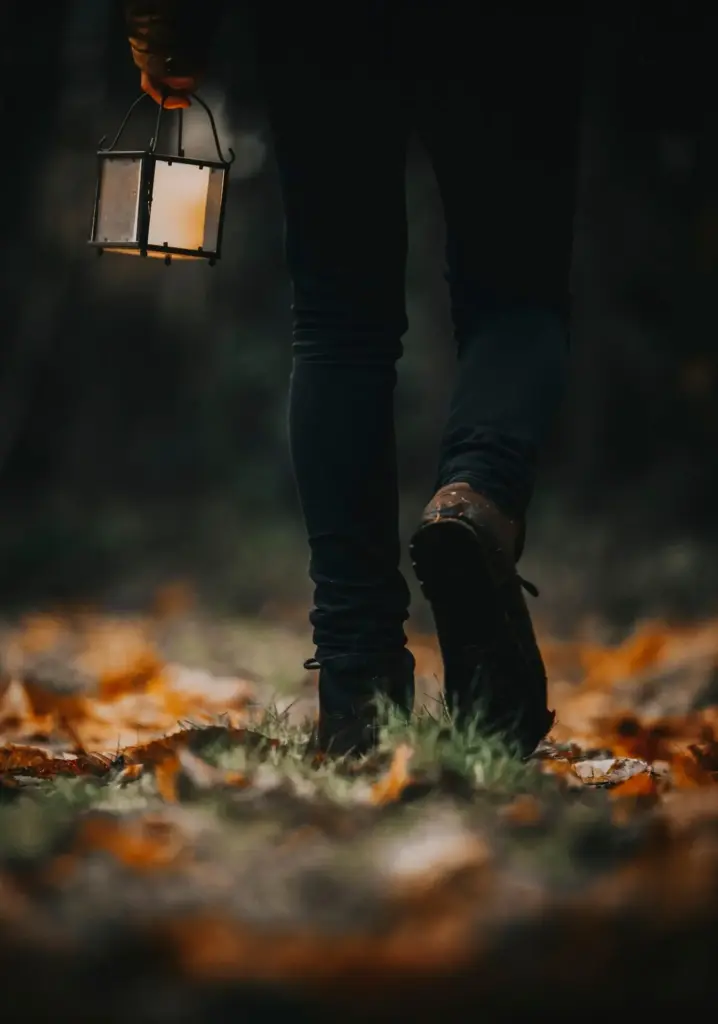
Pause on exposed bedrock and feel its grain with a knuckle or the edge of a coin. Granite usually resists with granular sparkle and angular roughness, while sandstone often brushes smoother, shedding fine grit that whispers of ancient rivers. Basalt flows can feel glassy yet pocked with vesicles, their bubble marks recording gases trapped as lava cooled. Lichens add soft crusts, changing traction and color. Each fracture pattern, mineral grain, and weathered rind narrates temperature swings, water chemistry, and time far beyond a single season.
Bark Within Reach, Patterns of Protection
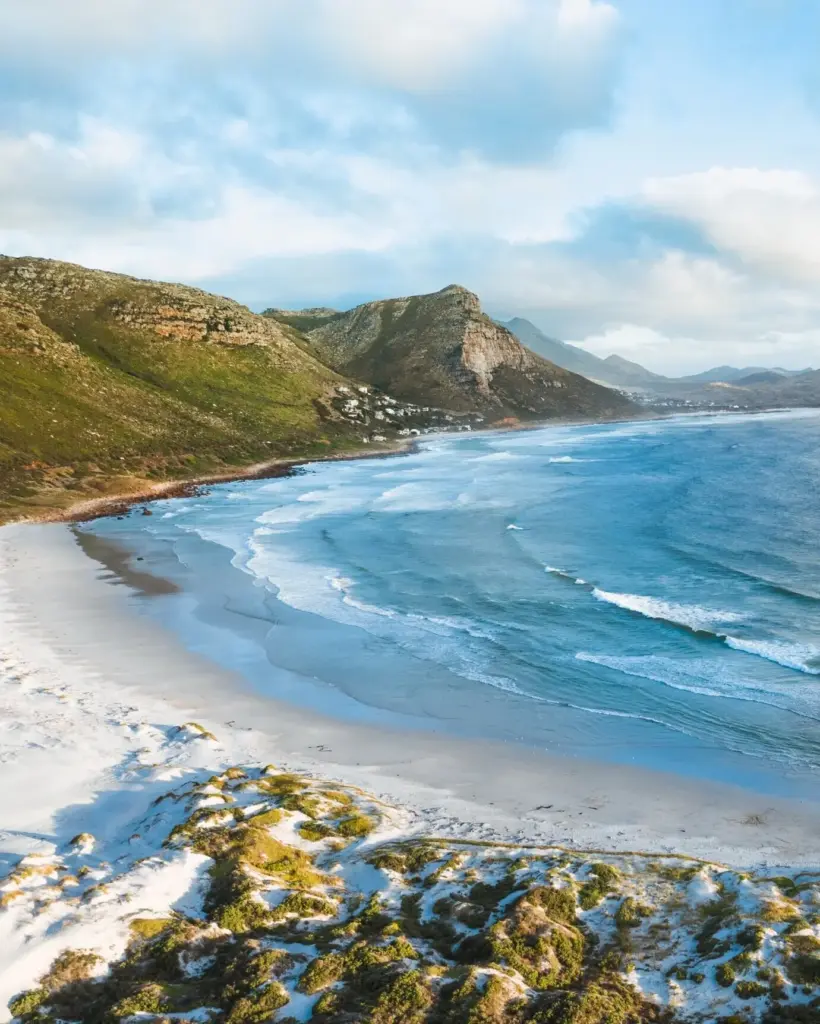
Run your fingertips lightly across trunks where it is safe and ethical to do so, noticing armored plates on ponderosa, shaggy ribbons on eucalyptus, papery curls on birch, and deep furrows on old oaks. These textures are not decoration; they manage fire, insects, moisture loss, and growth. Resin pockets may feel tacky, lenticels like tiny pores, and scars rough where branches once were. Compare tree lines across biomes: high elevation conifers grow tighter scales, desert mesquite hardens against heat, and coastal evergreens carry moss that converts bark into living sponge.
Tactile Vocabulary and Finger Tests
Adopt a descriptive lexicon—gritty, sugary, sandy, silky, slick, chalky, velvety, ridged, scaly, fissured—and apply it consistently. For soils, try the ribbon test: moisten a pinch and press it between thumb and forefinger to gauge plasticity. For rock, use gentle knuckle rubs to feel grain size without scuffing surfaces. For bark, trace along rather than across ridges to avoid snagging delicate layers. Write one‑sentence tactile notes at regular intervals, such as every kilometer, so your trail captures become a comparable series rather than scattered impressions.
Macro Photos and Portable Scales
Carry a small ruler, coin, or printed scale card. Place it beside rock crystals, bark plates, or soil aggregates and shoot with a phone macro lens or a steady close focus. Use diffuse natural light—overcast skies are perfect—to avoid harsh shadows that exaggerate relief. Take three angles: straight on, raking light, and context including your boot or hand for scale. Name files by biome, date, and stop number for easy comparison later. Over time, a gallery of matched views reveals evolving textures and seasonal surprises.
Leave No Trace Sampling Discipline
Respect living and fragile surfaces. Do not pry lichen, peel bark, or crush cryptobiotic crusts. If sampling soil for a quick squeeze test, take a pea‑sized pinch from already disturbed edges, then return it. Photograph rather than pocket stones, especially in protected areas where removal is illegal. Step on durable substrates when positioning for photos. Share your responsible practices with companions, modeling gentle curiosity. Ethical methods not only protect habitats but also sharpen observation, because careful study replaces the impulse to collect souvenirs you will soon forget.
Biome Contrasts You Can Feel
Alpine and Subalpine High Ways
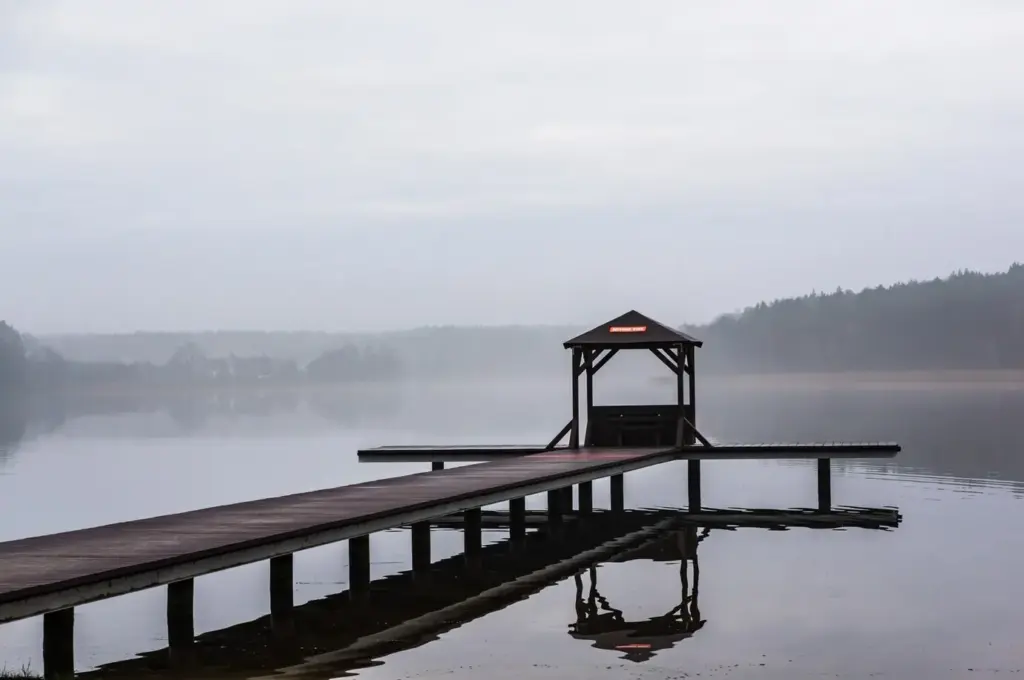
On high trails, freeze‑thaw cycles pry apart rock, producing angular clasts that rasp underfoot and coarse grus that rolls like ball bearings. Conifer bark often grows scaly, tight, and resinous, defending against cold and abrasion. Soils run thin, stony, and quick‑draining, crunching dry even hours after snowmelt. Lichen patches add subtle cushion and color, mapping microclimates across a single boulder. Wind scours polish exposed faces while sheltering hollows accumulate damp moss. Every step announces altitude, making texture an unmistakable cue even when clouds erase distant landmarks.
Desert Arroyos and Sage Flats
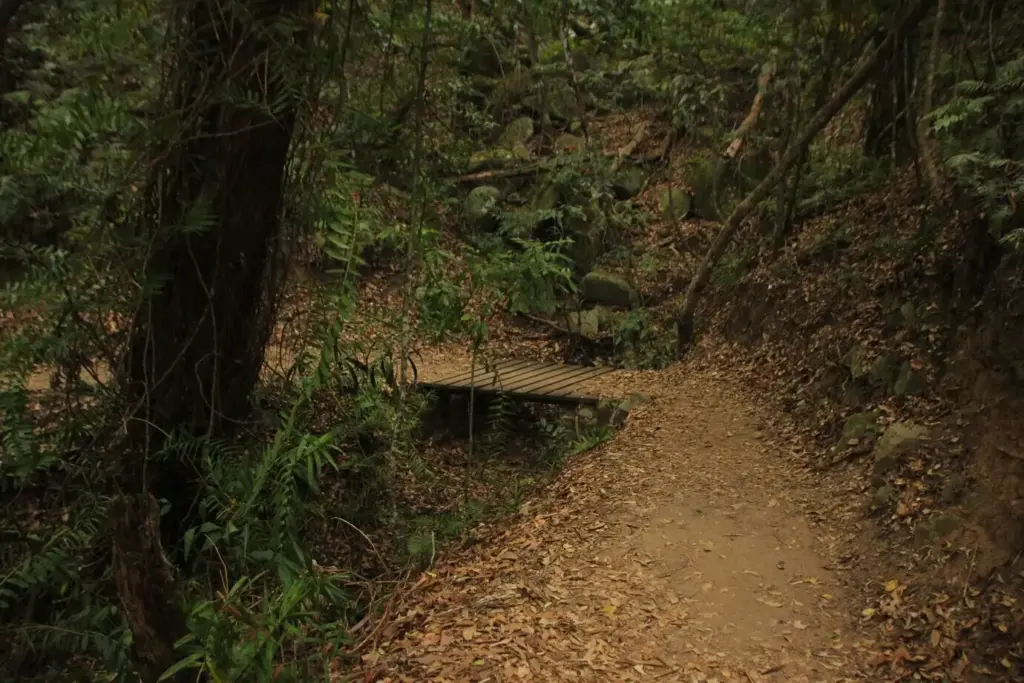
In deserts, wind and rare floods sculpt surfaces that feel paradoxically smooth and sharp. Sandstone may be satin‑soft where grains have been honed, yet nearby cobbles show ventifacts, their facets shaved by persistent gusts. Bark on mesquite and juniper hardens against heat and borers, often fissured but tight. Underfoot, cryptobiotic crusts form fragile, spongy skins that stabilize dunes; they crumble with a single misstep, so stay on durable path. Fine dust carries in footwear seams, transforming gait and reminding you how dryness reaches into every crevice.
Coastal Scrub and Temperate Forest Loops
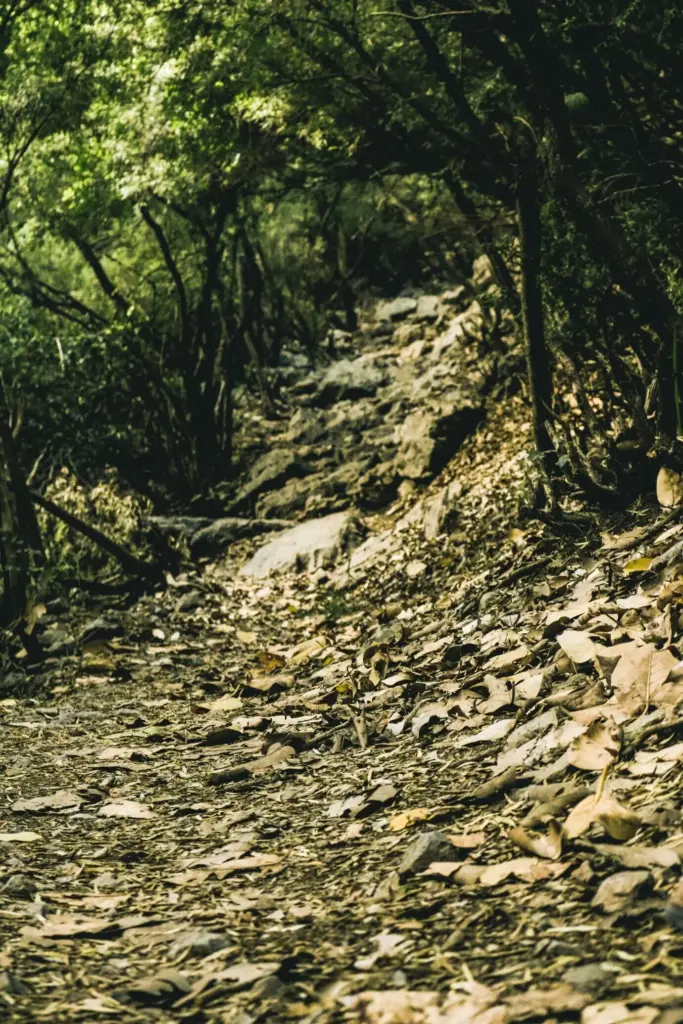
Near the ocean, salt spray etches rock, leaving slick films and rounded edges. Shales may shear into smooth plates, while basalt tide‑scarps feel pitted where bubbles once escaped. Bark grows lush with lichens, mosses, and ferns, turning trunks into layered, absorbent tapestries that stay cool and damp. Soils blend loam and organic duff, springy underfoot and dark after fog. Listen as sand grains squeak on boardwalks and feel humidity soften handholds. Textures here suggest constant exchange: waves, mist, roots, and fungi negotiating every surface hour by hour.
Texture as Evidence: Processes Behind the Surface
What you feel is evidence. Mineral crystals determine rock roughness; cell layers and scars shape bark; aggregates and pores create soil structure. Weathering dissolves, oxidizes, and pries, while organisms colonize and glue. Fire thickens bark, frost opens joints, hooves compact ground, and roots stitch crumbs. By linking sensation to process—rough quartz grains, cork cambium plates, crumbly granular peds—you translate touch into explanation. This empowers better trail choices during rain, deeper appreciation of resilience after disturbance, and a richer sense of time carried within ordinary surfaces.
Trail Anecdotes That Sharpen the Senses
{{SECTION_SUBTITLE}}
Granite Glitter at Sunrise
On a frost‑rimmed morning above timberline, the first light made feldspar blush and quartz facets flash like sugar. The rock felt coarse and certain, its crystals catching glove fibers as if to say, “Slow down.” I learned to place feet deliberately, using roughness as an ally rather than an obstacle. Later, descending into spruce, the contrast doubled the memory: granite rasp yielding to springy needles. That shift etched the route in my mind better than any signpost, guided entirely by texture and the way light revealed it.
Oak Furrows After Rain
In a low savanna, rain turned dust to perfume. The oak trunks went from gray to velvet‑dark, their furrows swelling with a softness that surprised my palm. Water traced channels down the bark, pooling where old branches healed, while salamanders emerged to patrol the base. The trail itself became a ribbon of sticky silt with pebbles clinging to tread. That day taught me to revisit familiar places in new weather, because moisture rewrites textures as convincingly as a change in season, renewing curiosity at every bend.
Your Turn: Observe, Share, and Connect
Now it is your season to explore. Choose a local loop and apply the same simple methods—touch vocabulary, macro photos with a scale, and regular notes—then compare results with a very different route in another biome when possible. Post observations, ask questions, and trade insights with fellow walkers who notice what most people step over. Subscribing and commenting keeps the conversation alive, and your examples may guide future field guides. Together, we can build a living archive that turns careful attention into collective knowledge.
All Rights Reserved.